Source frozen hazelnut cheesecakes for Banquets and Parties
Compare 10 listings of frozen hazelnut cheesecakes from Jiangsu, China. Buyers can review specifications like weight, flavor profiles, and packaging options for birthday parties, banquets, and private enjoyment. These products include various flavors such as cheese, chocolate, and cream, with storage requirements of minus 18 degrees Celsius.
Key considerations
Products List


Comprehensive Sourcing Guide
Frozen Hazelnut Cheesecakes Sourcing Guide
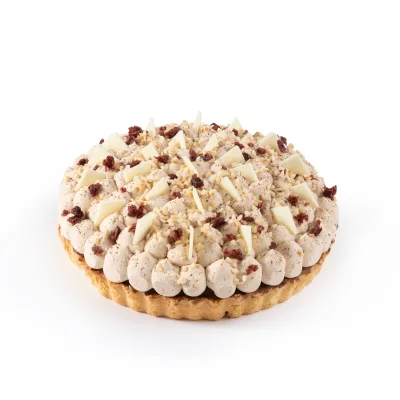
Sourcing frozen hazelnut cheesecakes requires a clear understanding of the product’s specific formulation and storage requirements to ensure quality upon delivery. These items are typically classified as frozen prepared foods or mousse cakes, often featuring a flower-shaped or round design with a creamy texture. Buyers must recognize that these products are designed for immediate consumption after thawing and are not intended for long-term refrigeration once removed from the freezer. The primary appeal lies in their convenience for events such as birthday parties, banquets, or private enjoyment, where a premium dessert is needed without the labor of in-house baking.
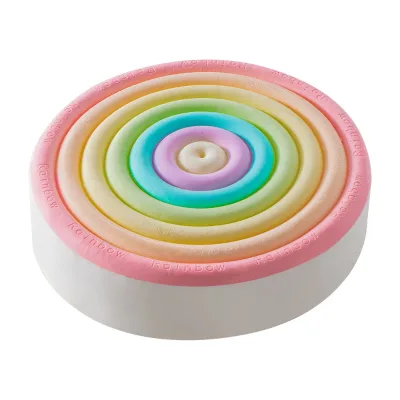
The market offers variations that include chocolate, cream, and nut flavors, with hazelnut being a prominent option. Suppliers may list these under keywords like frozen rainbow cheesecakes or frozen dessert cakes, indicating a broad category of similar frozen pastries. It is crucial to verify the exact ingredients, as some listings mention gelatin, food coloring, and edible corn starch, while others highlight hazelnut cream cakes. Understanding these distinctions helps buyers select products that align with their specific flavor profiles and dietary requirements, ensuring the final product meets customer expectations for taste and texture.
Product Scope and Observed Listing Signals
The observed product listings indicate a wide range of specifications, with prices varying significantly from low-cost items to premium offerings. Buyers should note that the minimum order quantity (MOQ) typically starts at five cartons, which suggests these products are geared toward bulk purchasers such as restaurants, caterers, or retail distributors rather than individual consumers. The packaging is generally described as box or carton, with some listings specifying ten pieces per box and twelve boxes per carton. This standardized packaging facilitates efficient logistics and storage, allowing buyers to plan their inventory based on consistent unit counts.
Weight and volume data in the listings show some inconsistencies, with weights ranging from 0.95 kg to 1.1 kg per unit, and some entries listing zero weight or volume. These discrepancies highlight the need for careful verification of product dimensions and gross weight before placing orders. The origin of these products is primarily Jiangsu, China, with manufacturers like Suzhou Fulan Sweet Food Co., LTD being prominent suppliers. Buyers should use these details to assess shipping costs and lead times, ensuring that the logistical chain can maintain the cold chain integrity required for frozen goods.
Technical Specifications to Verify
Technical verification must begin with the storage conditions, as these products require strict temperature control to maintain quality. The standard storage way is minus 18 degrees Celsius, with a shelf life of up to 12 months when frozen. However, once thawed, the instruction is to consume within three days if kept fresh below 8 degrees Celsius, and refreezing is strictly prohibited. Buyers must ensure their cold storage facilities can maintain these temperatures consistently and that their distribution channels can handle the short post-thaw window. Failure to adhere to these guidelines can result in texture degradation and safety risks.
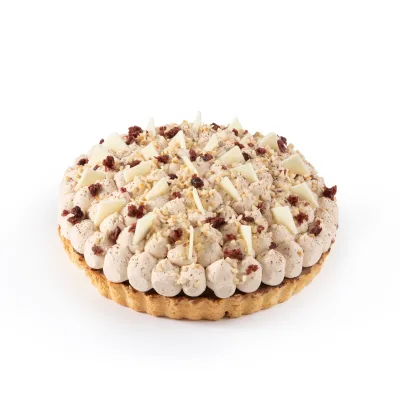
The product type is often listed as mousse cake or frozen cheesecake, with shapes including flower-shaped or round designs. Ingredients may include gelatin, compound leavening agents, and various flavorings such as hazelnut, cranberry, or chocolate. Buyers should request detailed ingredient lists to verify allergen content, particularly for hazelnuts and dairy, which are common allergens. Additionally, the customization options available from suppliers allow for tailored specifications, but buyers must confirm that any customizations do not compromise the structural integrity or freezing stability of the cake.
Compliance and Safety Documentation
Compliance with food safety standards is non-negotiable for frozen dessert imports. Buyers should verify that suppliers hold relevant certifications such as ISO2200 and HACCP, which indicate a robust food safety management system. These certifications are critical for ensuring that the manufacturing process adheres to international hygiene and safety protocols. Without these credentials, the risk of contamination or inconsistent quality increases, potentially leading to product recalls or legal liabilities. Buyers must request copies of these certificates and verify their validity with the issuing bodies.
In addition to certifications, buyers should ensure that the products meet the labeling and regulatory requirements of their destination markets. This includes accurate ingredient listing, nutritional information, and allergen warnings. The origin of the product, such as Suzhou, China, must be clearly declared, and any specific standards or specifications must be documented. Buyers should also check for any trade barriers or import restrictions related to frozen dairy or nut-based products in their country. Proper documentation ensures smooth customs clearance and avoids delays that could compromise the product’s frozen state.
Cost Drivers and Commercial Terms
Cost drivers for frozen hazelnut cheesecakes include the quality of ingredients, packaging complexity, and order volume. Premium ingredients like real hazelnuts and high-quality cream can increase the unit price, while bulk orders may offer discounts. The observed price range of 2.1 to 3300 USD suggests a wide variance based on product size, quantity, and customization. Buyers should analyze the cost per unit rather than the total order value to compare suppliers accurately. Understanding these drivers helps in budgeting and negotiating better terms with suppliers.
Commercial terms such as MOQ, payment terms, and lead times are critical for planning. The typical MOQ of five cartons sets a baseline for order size, while lead times can vary based on production schedules and shipping logistics. Buyers should negotiate clear terms for shipping, including who bears the cost of cold chain logistics. Additionally, understanding the return or refund policy for damaged or spoiled goods is essential. Clear commercial terms protect the buyer from unexpected costs and ensure a smooth transaction process.
Supplier Qualification and Quality Control
Supplier qualification involves assessing the manufacturer’s capacity, reputation, and quality control processes. Buyers should verify the manufacturer’s details, such as Suzhou Fulan Sweet Food Co., LTD, and check their production capabilities. A reliable supplier should have a consistent track record of delivering high-quality frozen desserts. Buyers can request samples to evaluate the product’s taste, texture, and packaging integrity before committing to large orders. This step helps in identifying potential issues early and ensures that the supplier meets the buyer’s standards.
Quality control measures should include regular inspections of the production line and final product testing. Buyers should inquire about the supplier’s quality assurance protocols, including how they handle batch testing and traceability. A robust quality control system ensures that each batch meets the specified standards for flavor, appearance, and safety. Buyers should also consider the supplier’s ability to provide customization, as this can be a competitive advantage. Establishing a strong relationship with a qualified supplier ensures consistent supply and quality over time.
Long-Term Procurement Checks
Long-term procurement requires ongoing monitoring of supplier performance and market trends. Buyers should regularly review supplier deliveries for consistency in quality, timing, and documentation. Any deviations should be addressed promptly to maintain the integrity of the supply chain. Additionally, buyers should stay informed about changes in food safety regulations and market demands that may affect product specifications. This proactive approach helps in adapting to changes and maintaining a competitive edge in the market.
Building a diversified supplier base can mitigate risks associated with single-source dependency. Buyers should identify alternative suppliers who can provide similar products in case of disruptions. Regular communication with suppliers fosters a collaborative relationship, enabling better negotiation and problem-solving. Furthermore, buyers should evaluate the sustainability and ethical practices of their suppliers, as these factors are increasingly important to consumers. Long-term checks ensure that the procurement strategy remains resilient and aligned with business goals.
FAQs
What are the storage requirements for frozen hazelnut cheesecakes?
Store frozen hazelnut cheesecakes at minus 18 degrees Celsius to maintain quality and safety. The product remains stable for up to 12 months when kept frozen. If refrigerated, consume within three days to ensure freshness. Always thaw at room temperature and avoid refreezing to preserve texture and flavor integrity for optimal enjoyment.
Can I customize the packaging for bulk orders of frozen cheesecakes?
Yes, customization is available for bulk orders of frozen hazelnut cheesecakes. Standard packaging includes boxes and cartons, with specifications like ten pieces per box and twelve boxes per carton. You can request standard shipping packaging or customized options to meet specific branding or logistical needs for your business requirements.
What certifications do the frozen hazelnut cheesecake manufacturers hold?
The manufacturers hold ISO2200 and HACCP certifications, ensuring high food safety standards. These credentials verify that the production processes meet international quality and safety requirements. This makes the frozen hazelnut cheesecakes suitable for commercial use in restaurants, banquets, and private events where certified food safety is a priority for consumers.
What is the minimum order quantity for frozen hazelnut cheesecakes?
The minimum order quantity is five cartons for frozen hazelnut cheesecakes. This MOQ allows buyers to test the product or place smaller initial orders. The standard carton contains twelve boxes, each holding ten pieces. This structure supports flexible purchasing for various business sizes while maintaining efficient logistics and shipping arrangements.
Where are the frozen hazelnut cheesecakes manufactured and shipped from?
These frozen hazelnut cheesecakes are manufactured in Suzhou, Jiangsu Province, China. The specific location is the Korea Industrial Park in Jiangsu. This origin ensures access to established supply chains and manufacturing infrastructure. Buyers can expect consistent quality and reliable shipping logistics from this region for international and domestic distribution needs.
What flavors are available in the frozen hazelnut cheesecake product line?
The product line includes cheese, chocolate, cream, nut, hazelnut, and cranberry flavors. These varieties cater to diverse consumer preferences and occasions like birthdays or banquets. The hazelnut creamy variant is a key offering, providing a rich taste profile. Each flavor is designed to deliver a perfect dessert experience while maintaining the frozen texture.